
History, Joy, and Future: Celebrating Black Culture Month
At Brightworks, we often talk about the "Arc"—the trajectory of a project that moves from curiosity to deep understanding. As we enter February, we turn our attention to Black History Month (and Black Culture Month), viewing it not as a standalone unit, but as a vital, essential thread in the larger tapestry of our learning.
While February gives us a dedicated moment to pause, reflect, and celebrate, our philosophy is that Black history is American history. It is more than a single month; it must be woven into the questions we ask, the books we read, and the problems we solve every day.
Here is how we are approaching this month—and the months that follow—with our learners.
Moving Beyond Trauma to "Black Joy"
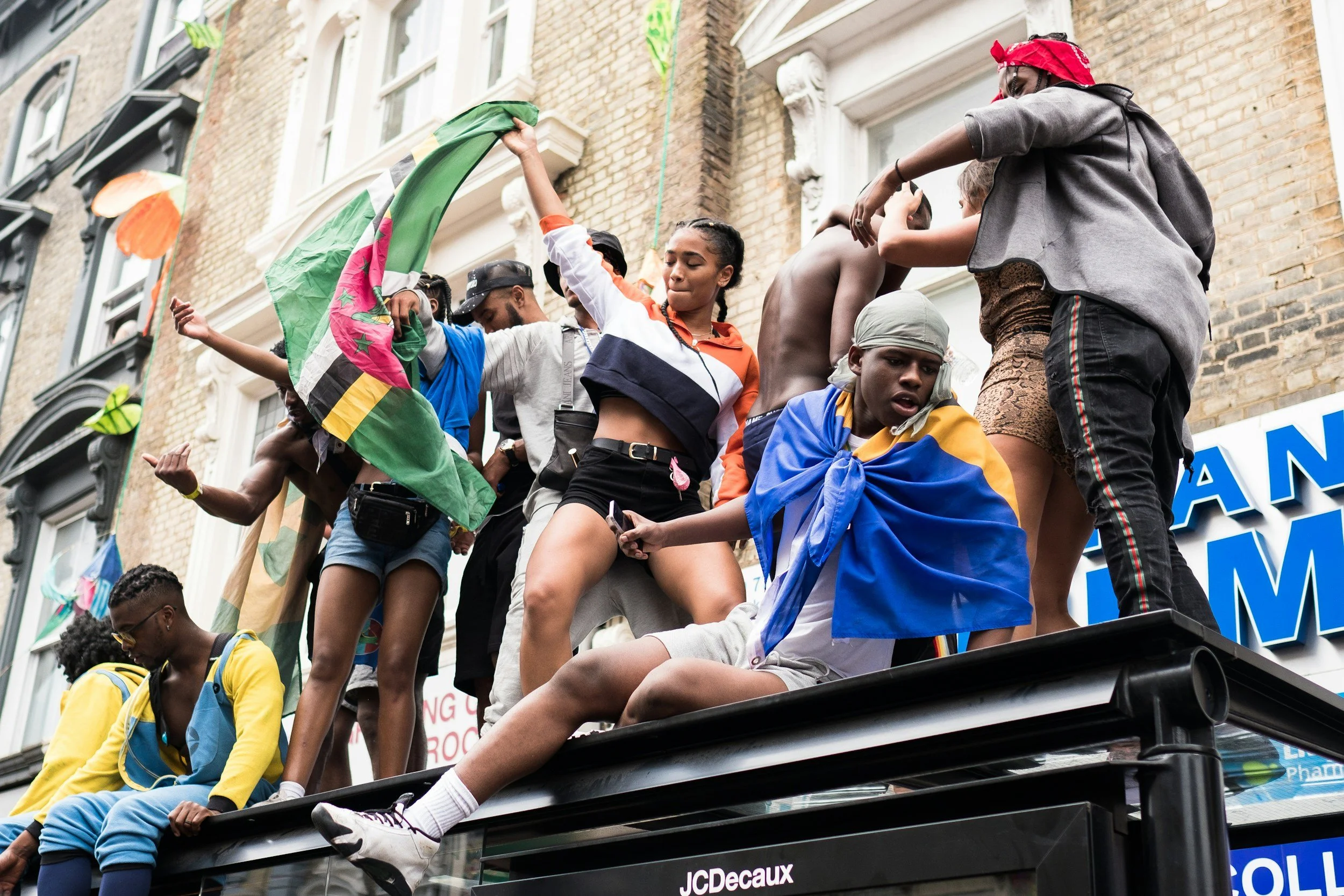
We are looking forward to the Black Joy Parade in Oakland on FEB. 22ND 2026
In traditional education, Black history is often taught solely through the lens of struggle and oppression. While we do not shy away from hard truths or the history of injustice, we believe it is equally important to center Black Joy.
In our bands this month, you might see learners exploring the vibrant art of the Harlem Renaissance, the rhythmic innovation of Jazz and Hip Hop, or the culinary traditions that bring communities together. We want our students to understand that resilience is a part of the story, but so is celebration, creativity, and boundless joy.
Afrofuturism: Tinkering with Tomorrow
As a school dedicated to making and tinkering and equity and justice, we find a natural alignment with Afrofuturism—a cultural aesthetic that combines science fiction, history, and fantasy to explore the Black experience and imagine new futures.
From the writings of Octavia Butler to the architectural concepts of Black urbanists, Afrofuturism asks: “What kind of world do we want to build?” This is the ultimate Brightworks question. By studying Black innovators who dared to imagine a future different from their present, our students learn that they, too, have the agency to design the world they want to live in.
Inquiry All Year Long
Whether we are in an Arc about "Memory," "Magic," or "Fashion," we strive to ensure that Black voices are present as experts, authors, and creators.
In Science: We look beyond the textbook to see who has been left out of the narrative of discovery.
In Humanities: We ask whose perspective is being told, and whose is missing.
In Community: We invite families to share their own stories, traditions, and lived experiences.
A Call to Conversation
We invite you to continue these conversations at home. Ask your learner what they are reading. Explore the local history of the Fillmore District together. deeply engage with art, music, and stories that center Black voices.
This month is a beautiful opportunity to amplify Black brilliance, but the work of building an inclusive, honest, and celebratory community is a year-round commitment. We are honored to do that work alongside you.
Explore the Fillmore’s History
Check out the programming at the San Francisco Public Library
Upcoming Events at MoAD including 826 Valencia Black History Month Student Showcase on 2/26
The Oakland Museum of California (OMCA) also explores Black culture through major exhibitions like the current "Black Spaces: Reclaim & Remain," focusing on East Bay Black community resilience against displacement. OMCA uses art, archives, and historical artifacts to detail Black life, activism, and cultural impact in Oakland, featuring figures like Octavia E. Butler and exploring themes of identity, community, and resistance through various media, alongside community events.