More Than a School: What Distinguishes Brightworks from Traditional Models
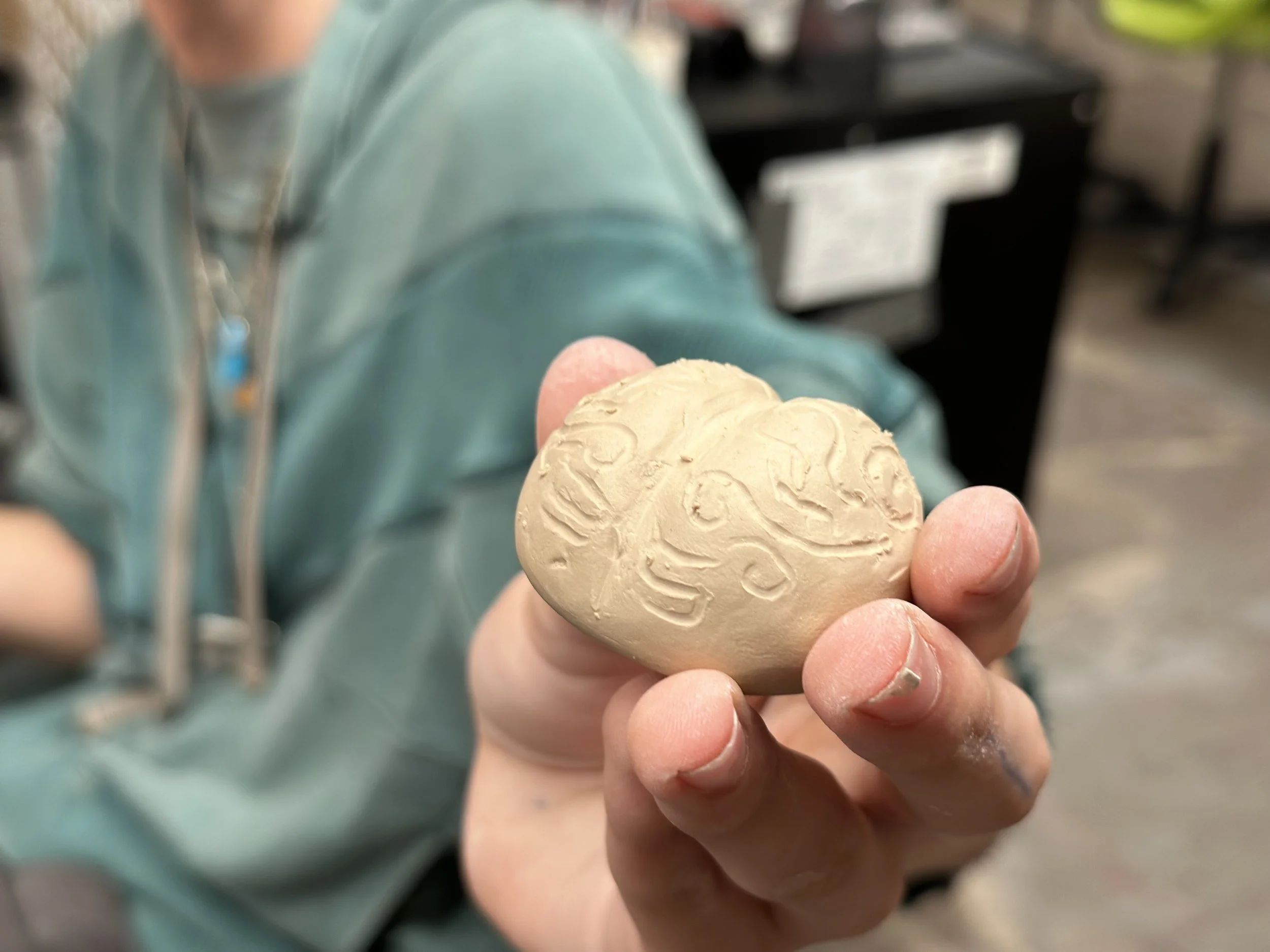
When families first walk into Brightworks, the reaction is almost always the same. They stop, look around, and say, "This doesn't look like a school."
They are right. We don't have rows of desks facing a chalkboard. We don't have bells signaling that it’s time to stop thinking about Math and start thinking about History. We don't have standardized tests that tell a child they are "above" or "below" average based on a single week’s performance.
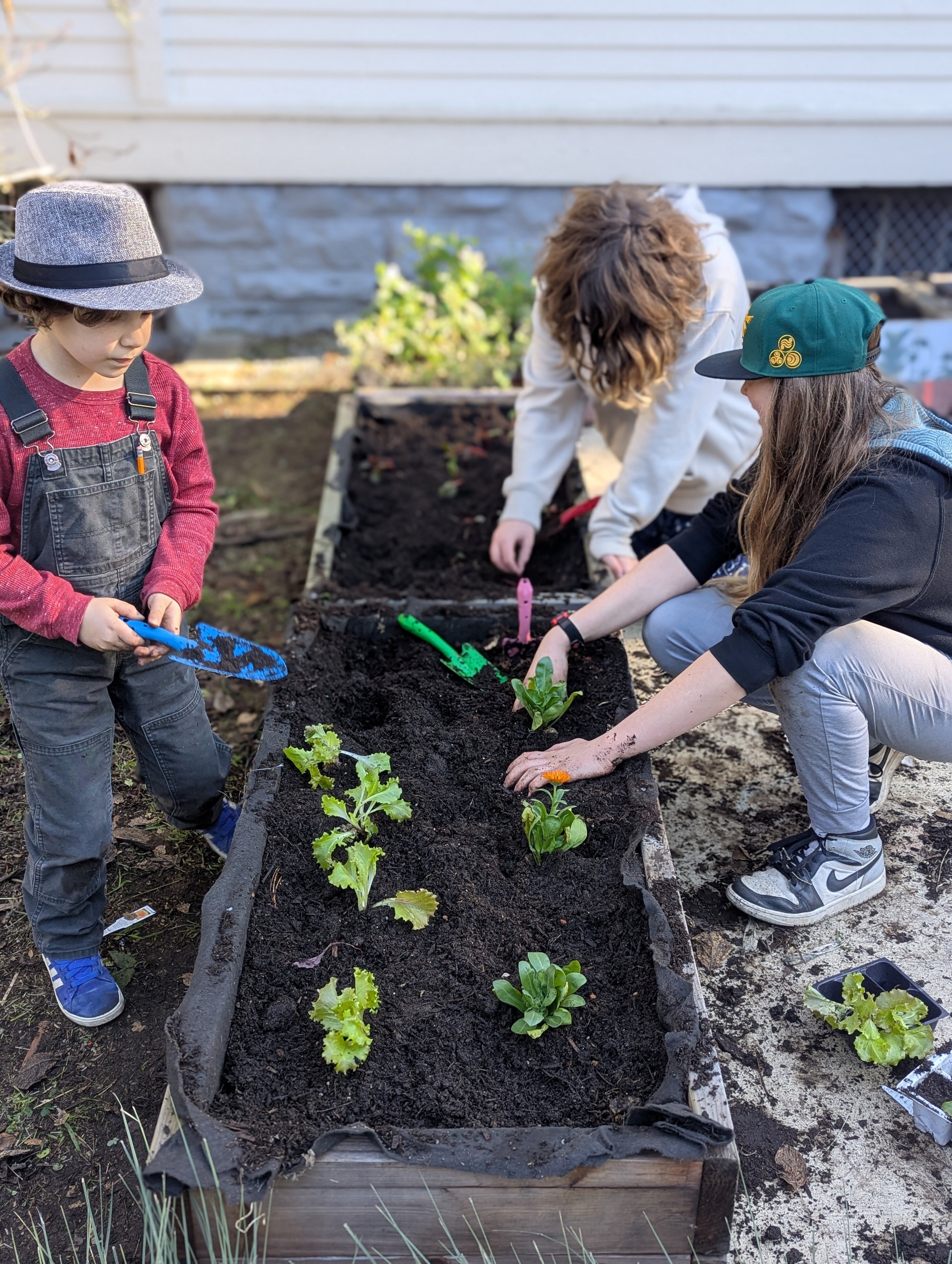
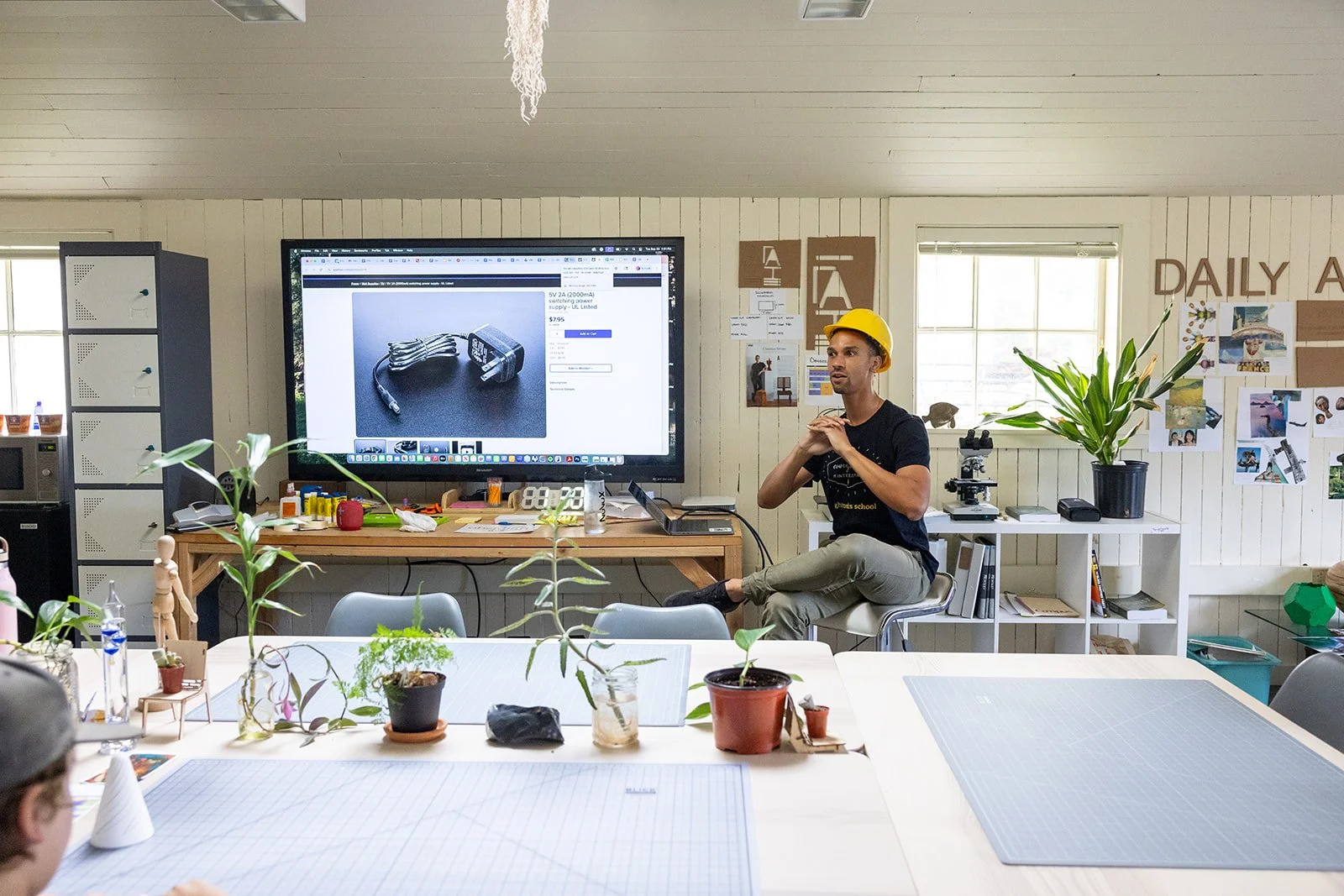
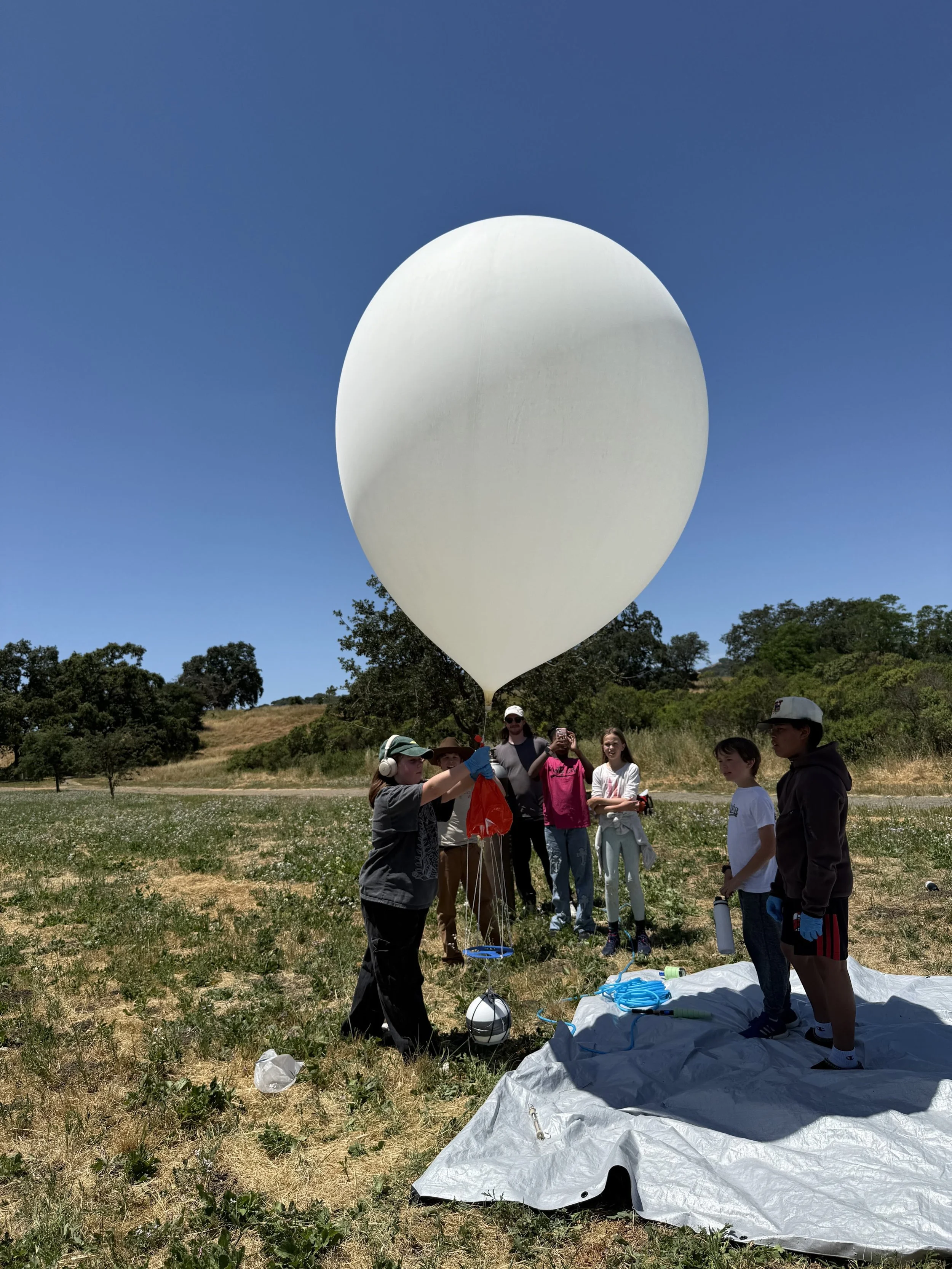
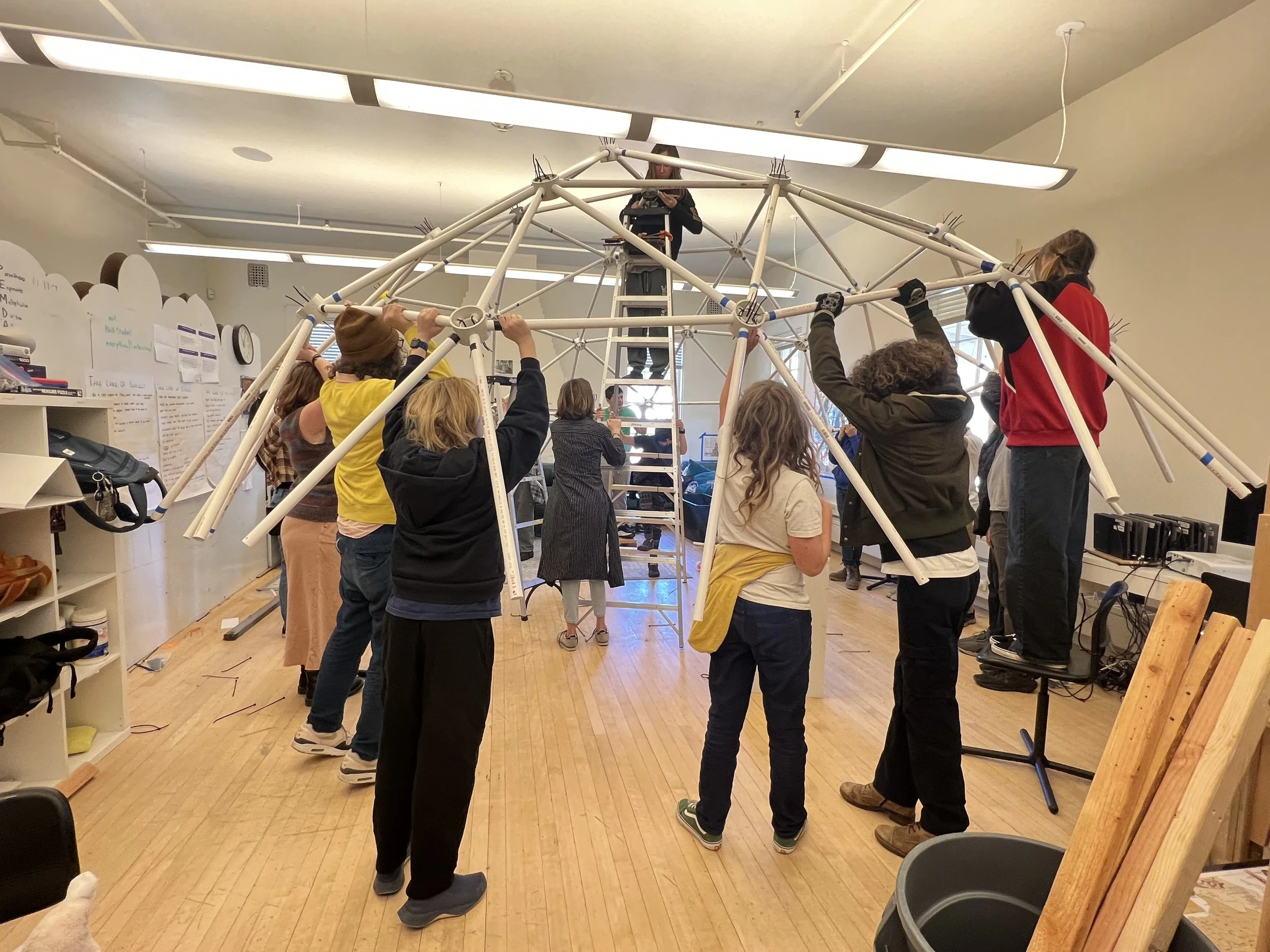
Instead, they see spaces filled with tools, art, scattered blueprints, and small groups of learners debating an actual challenge.
Brightworks was founded on a radical premise: Children are capable.
While traditional models often prioritize compliance and memorization, Brightworks prioritizes agency and creation. Here are the three fundamental shifts that distinguish our model from the traditional classroom.
The Arc vs. The Subject
In a traditional school, learning is siloed. You do 45 minutes of Biology, then you switch gears to 45 minutes of Literature. The two rarely meet.
At Brightworks, we learn through The Arc. An Arc is an immersive, months-long exploration of a central theme—like Memory, Underground, or Space.
Instead of just "learning math," students might calculate the load-bearing capacity of a tunnel they are actually building.
Instead of just "learning history," they might write and perform a play about first-hand memories of the industrial revolution.
By connecting skills to a real-world context, learning stops being abstract. We don't ask students to memorize facts for a test; we ask them to use facts to solve a problem.
Real Tools vs. "Safety Scissors"
One of the most visible differences at Brightworks is the presence of power tools, laser cutters, and sewing machines. But this isn't just about woodworking; it’s about trust.
Traditional models often operate on a deficit model—protecting children from the world because they are "not ready." We operate on a trust model. We believe that when you put real tools in a child’s hands and teach them how to manage risk, they rise to the occasion.
Whether the tool is a bandsaw, a complex philosophical question or addressing harm using a Restorative Justice model, we treat children as competent researchers and makers. This builds a kind of self-confidence that cannot be taught from a textbook.
Collaborators vs. Teachers
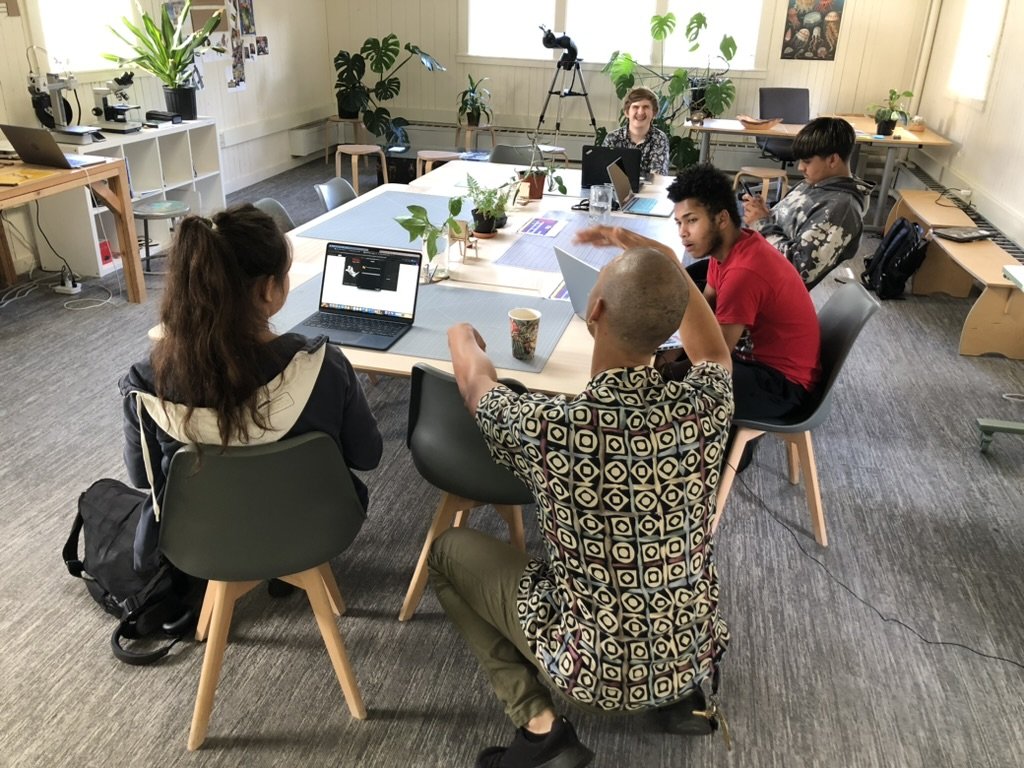
In many schools, the teacher is the "Sage on the Stage"—the person who holds all the answers.
At Brightworks, our educators are called Collaborators. Their job isn't to pour knowledge into students' heads; it is to ignite curiosity and model what it looks like to be a lifelong learner. A Collaborator might say, "I don't know the answer to that. How can we figure it out together?"
This shift changes the dynamic of the room. It moves the student from a passive consumer of information to an active co-creator of their education.

The Result: Agency
The ultimate goal of a traditional model is often admission to the next level of schooling. The ultimate goal of Brightworks is that…and Agency.
We want our graduates to leave with the internal knowledge that they can change the world around them. We want them to know that if they have a question, they can find the answer; if they have a problem, they can build a solution; and if they have an idea, they can make it real.
That is the Brightworks difference. It’s not just a different way of teaching; it’s a different way of seeing the child.